
صحافة الكترونية مرخصة وزارة الاعلام ترخيص رقم 366-2019

صحافة الكترونية مرخصة وزارة الاعلام ترخيص رقم 366-2019
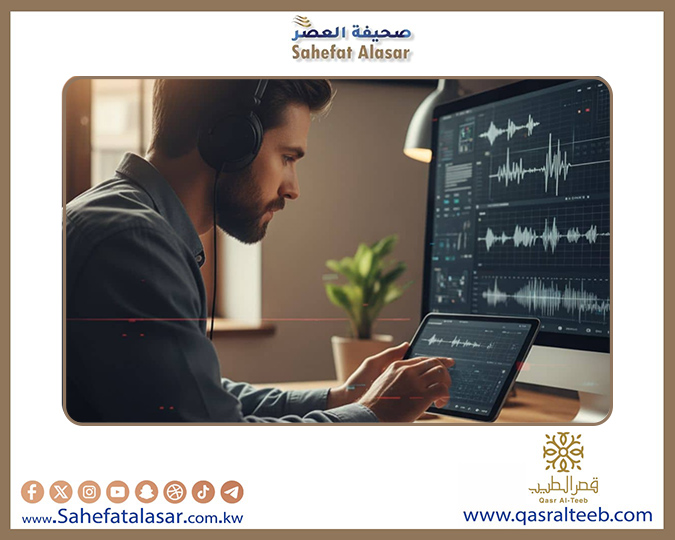
As artificial intelligence continues to develop, modern tools have emerged that are capable of reproducing human voices with high accuracy, and they also mimic the speaker's breath, tone of voice, and emotion. While these tools have helped develop digital assistants that speak in a human-like manner and improved storytelling, they have also opened the door to a new wave of voice deception that threatens trust in the digital world.
As the human voice has become as spoofable as an image and video, learning how to detect fake audio clips has become essential to protect yourself and your data. To help you with that, in this article, we'll provide seven practical tips you can follow to spot fake voices.Voice faking. A hidden danger that threatens trust in the digital world Fake